
When the World No Longer Knows Who You Are: Rebuilding Your Identity After a Major Life Change

“You have to build your own identity, you have to build your own brand, you have to build your own reputation.” — Gavin Lawless
There are moments in life when the identity you've spent years building suddenly stops carrying the same weight.
The title disappears.
The recognition disappears.
The familiar environment disappears.
And sometimes, even the people around you no longer know the version of you that existed before.
For some people, this happens when a career ends. For others, it happens after moving countries, leaving a business, becoming a parent, experiencing redundancy, or simply reaching a point where the life they've built no longer feels like the life they want to continue living.
The difficult question becomes:
Who am I when the thing that used to define me is no longer there?
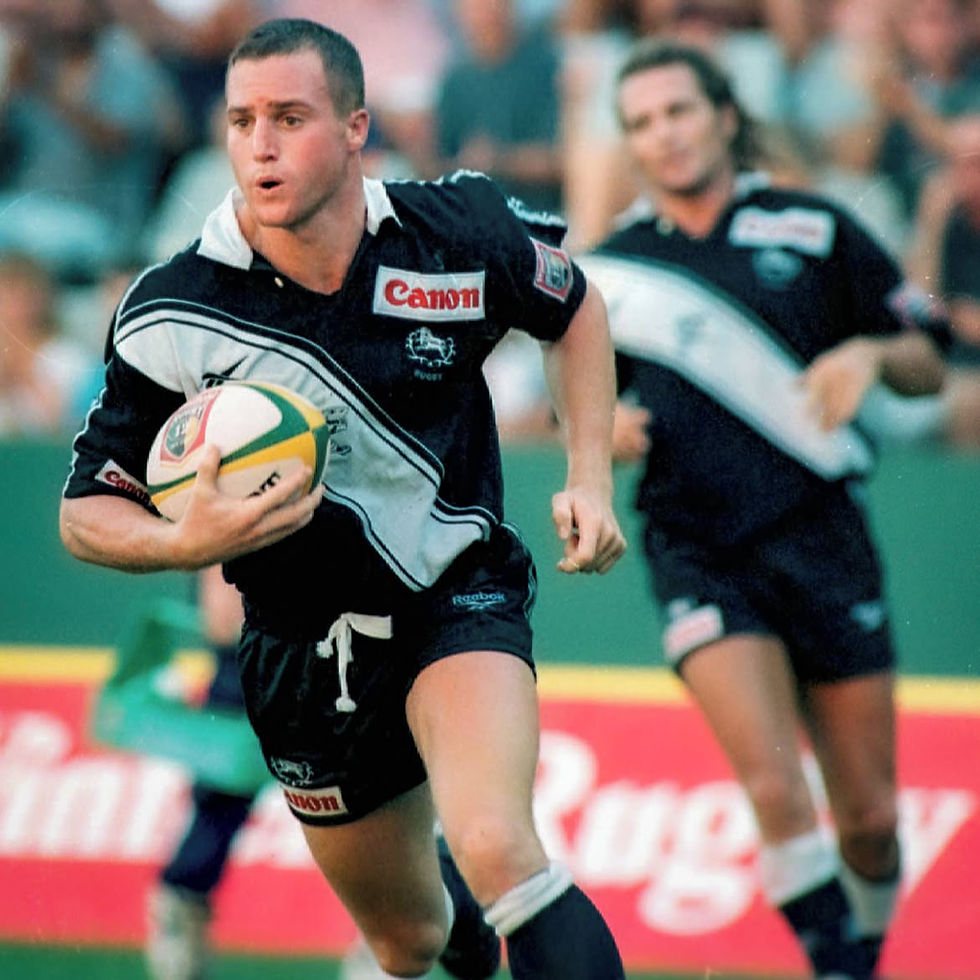
This question came through powerfully in my conversation with former professional rugby player and business leader Gavin Lawless.
Gavin had already experienced remarkable success in rugby, including setting a scoring record that has stood for decades. But his story wasn't really about the record.
It was about what happened afterwards.
He retired from rugby, moved from South Africa to Australia, entered a completely different professional environment, and found himself in rooms where nobody knew his history.
The world didn't know who he had been.
So he had to build again.
And that makes Gavin's story a powerful example of what can happen when identity is strong enough to travel with you, even when everything around you changes.
Sometimes Your Identity Is Bigger Than Your Role
One of the biggest challenges in major life transitions is confusing who you are with what you do.
For an athlete, the role can become all-consuming.
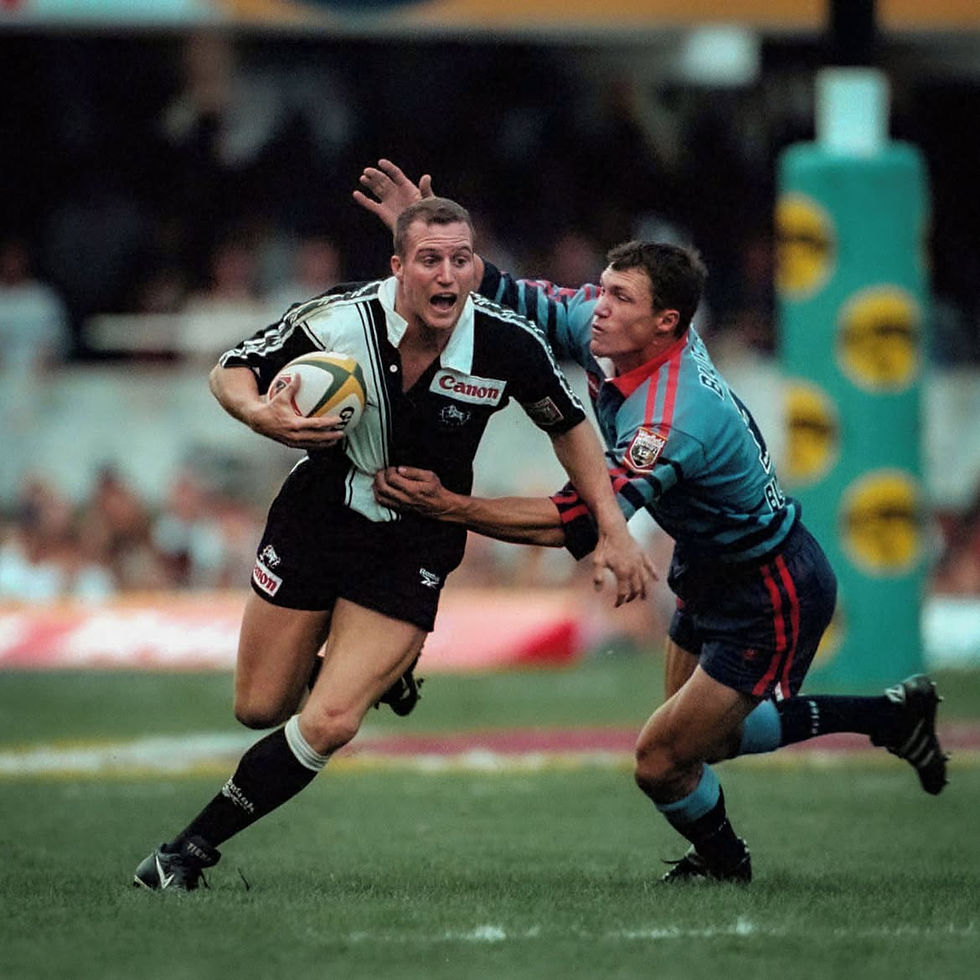
You train for years.
You compete.
People recognise you.
Your performance gives you feedback about who you are and where you belong.
Then suddenly, the career ends.
Gavin recognised how difficult this can be for athletes whose entire identity has been built around their sport. When the playing stops, they can be left questioning what comes next because the role that once gave them structure, recognition and purpose has disappeared.
But Gavin experienced something slightly different.
Although rugby was an important part of his identity, he had also developed a professional career outside the sport.
That gave him something incredibly valuable:
choice.
His identity wasn't entirely dependent on being a rugby player.
And this distinction matters far beyond sport.
A career can change.
A business can fail.
A relationship can end.
A title can disappear.
But when your sense of self is rooted more deeply than the role you occupy, change doesn't have to mean losing yourself.
It can become an opportunity to discover what was underneath the role all along.
The Release Phase: Letting Go of the Identity That No Longer Fits
Within the Identity Architect Method™, this is where the Release phase becomes important.
Release isn't about rejecting your past.
It isn't about pretending your previous identity never mattered.
And it certainly isn't about throwing away everything you've achieved.
It's about recognising what belongs to the previous chapter, and what needs to come with you into the next one.
Gavin's transition from rugby to business demonstrates this beautifully.
When he arrived in Australia, his rugby achievements didn't automatically transfer into his new professional environment.
He describes entering a commercial world where people didn't know his reputation, his capabilities or his history.
He had to start again.
But he didn't have to become someone completely different.
The qualities that had helped him succeed in rugby, discipline, preparation, consistency, reliability and hard work, could be carried forward.
The role changed.
The core didn't have to.
This is an important distinction when you're navigating your own transition.
You don't need to release everything you've been.
You need to release the parts of the old identity that are no longer necessary for where you're going.
Rebuild: When Nobody Else Can Define You
One of the most revealing parts of Gavin's story was arriving in Australia and realising that nobody knew who he was.
That could have felt like a loss.
Instead, he experienced an unexpected sense of freedom.
He could walk into a restaurant, go to a movie or sit at a pub without carrying the expectations attached to his previous reputation.
Nobody knew the rugby player.
Nobody knew the record.
Nobody knew what he had achieved.
He had the opportunity to build a reputation from scratch.
This is what the Rebuild phase of the Identity Architect Method™ asks us to consider.

What are you actually building now?
Not:
What was I known for?
Not:
What did people expect from me?
But:
Who do I want to become in this next chapter?
Gavin intentionally invested in developing his commercial identity.
He spent years educating himself, building his knowledge, strengthening his professional reputation and applying the same principles that had supported his sporting career.
The important part wasn't trying to recreate the old version of himself.
It was taking what worked and applying it to a new environment.
That's intentional identity rebuilding.
Integration: Building a Life That Doesn't Depend on One Achievement
Gavin's definition of success eventually expanded beyond career achievement.
He described success as balance across different areas of life: health, fitness, relationships, family, finances and career.
That perspective points toward the Integration phase of the Identity Architect Method™.
Integration is where the rebuilt identity becomes the way you actually live.
It's no longer about proving that you've changed.
It's about living from a clearer understanding of who you are.
Because it is possible to rebuild one part of your life while allowing another part to quietly deteriorate.
You can build the business and lose your health.
Build the career and lose your relationships.
Build the reputation and lose yourself.
Integration asks a different question:
Does the life I'm building actually reflect the person I want to be?
For Gavin, success wasn't simply about accumulating more.
It was about creating a life where the different parts could exist in balance.
And that is a powerful reminder that identity isn't only about career.
It shapes the way we work, relate, lead, prioritise and make decisions.
The Identity Architect Method Reflection
If you're currently entering a new chapter, or wondering whether the identity you've built still fits, take a moment to consider:
What part of my identity is connected to a role, title or achievement rather than who I am underneath it?
What have I achieved that I may be relying on to tell me who I am?
If nobody knew my previous accomplishments, how would I choose to introduce myself today?
What qualities from my previous chapter do I want to carry forward?
What do I need to release so I can build something different?
Where am I becoming frustrated because I'm trying to control the timing of
something I cannot control?
What would I build if I trusted that small, consistent actions were creating my next chapter?
You don't need to have all the answers.
Awareness comes first.
Then comes the courage to release what no longer fits, rebuild intentionally and eventually integrate that new identity into the way you live.
Final Thoughts
What I found most powerful about my conversation with Gavin wasn't the rugby record.
It was what happened after it.
Because achieving something remarkable doesn't automatically tell you who you are next.
Gavin moved from being recognised for what he had already accomplished to entering environments where nobody knew his history.
And rather than allowing that to define him, he built again.
He took the discipline, preparation and work ethic that had served him in sport and applied those qualities to a completely different chapter.
That's the essence of intentional identity evolution.
You don't have to start from zero.
You can start from experience.
You can carry forward what still serves you.
You can release what doesn't.
And you can intentionally build the identity that your next chapter requires.
Because the goal isn't to remain the person who succeeded in the past.
It's to become someone who can create a life that feels true in the future.
Continue the Conversation
If Gavin's story has made you think about the identity you're carrying into your next chapter, pause before asking yourself what you should achieve next.
Ask a deeper question:
Who am I becoming?
Because your next chapter isn't created by your circumstances alone.
It's created by the identity you choose to build within them.
If you're ready to go deeper into understanding your identity and what may be shaping the way you show up in your life and work, explore Identity Foundations™ as your next step.
If you'd like to explore more conversations about identity, leadership, and personal transformation, listen to more episodes of What I Wish I Knew at 30.

And if you're ready to move beyond insight and intentionally design the next chapter of your life, explore the "The Identity Architect Method™ ", where lasting transformation begins with identity, not achievement.


Comments